DO00RWISE DOMAIN NAMES FOR SALE —AT ABSHOT.COM
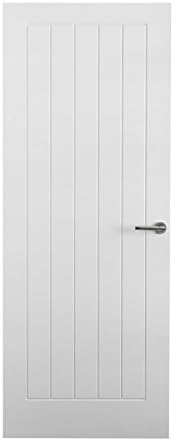


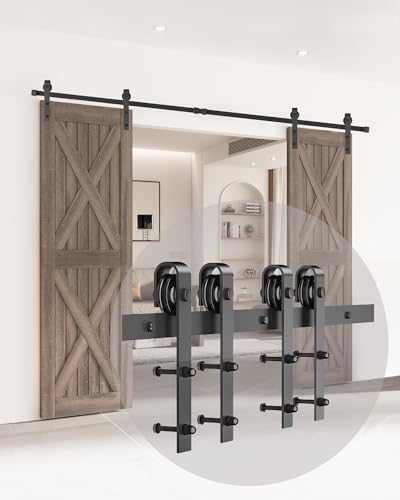


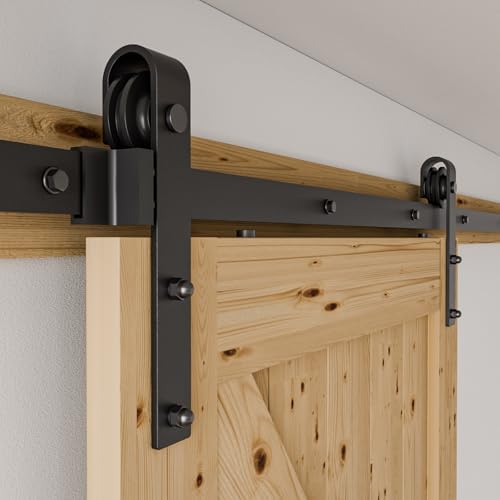


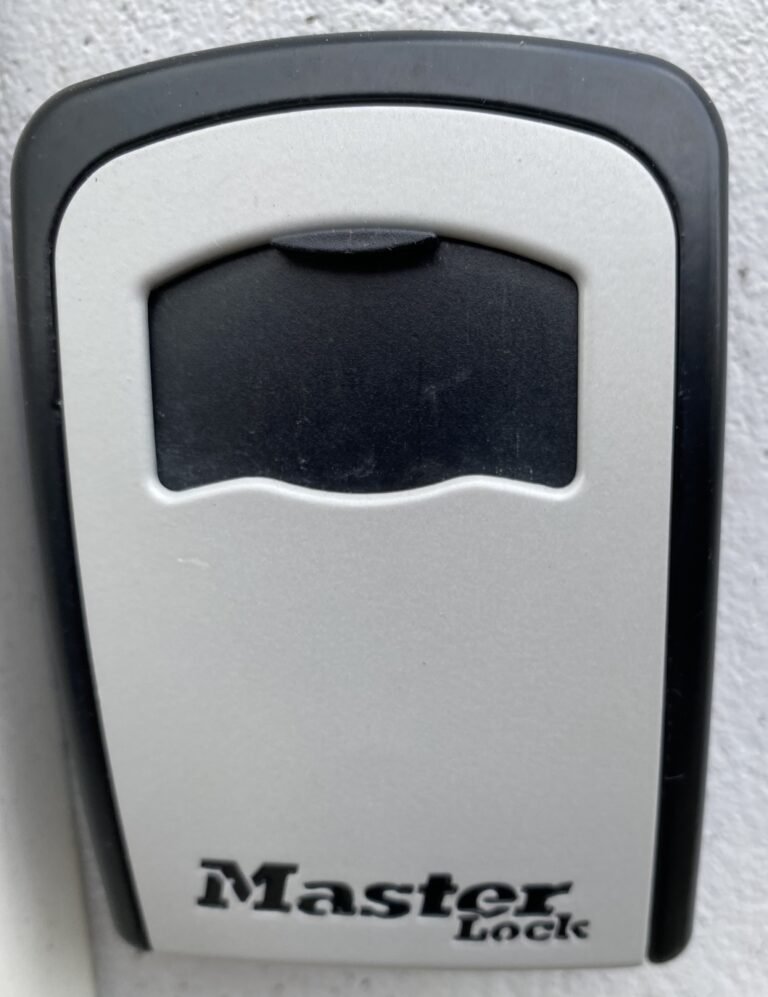
Companies
1. Doorwise Ltd.
- Address: 123 Business Park, London, SW1A 1AA, United Kingdom
- Website:
- Email:
2. Door Wise Solutions
- Address: 45 Market Street, Manchester, M1 1AA, United Kingdom
- Website: www.doorwisesolutions.co.uk
- Email: contact@doorwisesolutions.co.uk
Understanding Different Types of Doors
When selecting doors for your residential or commercial property, it is essential to consider the various types available. Each door type can be categorized based on its materials, styles, and functionality, influencing both aesthetics and performance. The most common materials include wood, metal, and fiberglass, each offering distinctive benefits and drawbacks.
Wood doors are often favored for their natural beauty and insulation properties. They come in various designs, from traditional to contemporary, and can easily complement any architectural style. However, wood is susceptible to weather damage and may require regular maintenance, such as repainting or resealing, to maintain its appearance and longevity.
Metal doors, typically made of steel or aluminum, are renowned for their durability and security. They provide excellent resistance to the elements and require less maintenance over time compared to wooden doors. Although they may lack the warmth of wood, metal doors can be finished with various coatings to enhance their aesthetic appeal. However, they can be prone to dents and rust if not properly treated.
Fiberglass doors present a great alternative, combining the durability of metal with the aesthetic versatility of wood. They are energy-efficient and resistant to wear and tear, making them suitable for both interior and exterior applications. Fiberglass doors do not warp or crack over time, but they may be more expensive than their wooden or metal counterparts.
In terms of style, doors can be categorized as hinged, sliding, or bi-fold, each fulfilling different functional needs. Hinged doors are the most traditional, allowing for easy access in various settings. Sliding doors are ideal for tight spaces and offer seamless transitions between indoor and outdoor environments. Bi-fold doors, on the other hand, are excellent for maximizing space while providing an expansive opening.
Understanding the unique characteristics of each type of door is crucial for property owners in making informed decisions that align with their functional and aesthetic preferences.
The Importance of Security Features
When selecting doors for your property, the significance of security features cannot be overstated. A door serves as the primary barrier between your home and potential intruders, making its strength, locking system, and overall durability pivotal in safeguarding your assets and loved ones. Therefore, understanding the key security elements to evaluate can greatly enhance the protection of your premises.
One of the foremost considerations should be the quality of locks used in the door’s design. High-security locks, such as deadbolts, provide superior resistance against unauthorized entry compared to standard locks. Opting for locks that are certified by recognized security standards ensures that they meet specific robustness criteria. Additionally, consider multi-point locking systems, which engage at several points along the frame, offering enhanced security.
The strength of the door frame is also crucial to prevent forced entry. A robust frame constructed from quality materials, such as solid wood or reinforced metal, significantly increases the overall durability of the door. The installation method should ensure that the door is tightly secured within the frame, reducing any vulnerabilities that intruders might exploit.
Moreover, the materials used in the door itself can greatly affect its resistance to break-ins. Steel doors, for instance, are known for their exceptional strength and durability. On the other hand, fiberglass doors can offer a balance between aesthetic appeal and resistance to damage, as they are often reinforced. Evaluating a door’s security credentials, including impact ratings and certifications, can guide you in making an informed decision.
Investing in high-security options may seem more costly initially but can result in long-term savings by preventing potential losses due to burglary. Furthermore, high-security doors can increase the overall value of your property. With the right security features, you can ensure a reliable barrier that protects your property effectively.
Energy Efficiency and Insulation Considerations
In the quest for energy efficiency in property design, doors play a pivotal role that is often overlooked. The selection of appropriate doors can significantly impact heating and cooling costs, as they act as a barrier against outdoor temperatures. A poorly insulated door may allow drafts and heat loss, leading to increased energy consumption and, ultimately, higher utility bills. Therefore, when choosing doors, it is essential to consider their insulation ratings, which gauge a door’s ability to resist heat transfer.
Energy-efficient doors typically feature enhanced insulation materials and construction techniques. Options like double or triple glazing for glass doors, or insulated cores for solid doors, contribute substantially to better thermal performance. These features minimize air infiltration and reduce the effort required by heating and cooling systems to maintain comfortable indoor climates. Additionally, look for doors that have been certified by credible organizations, ensuring their energy efficiency claims are backed by rigorous testing.
Another significant consideration is the materials used in door construction. Doors made from fiberglass or steel tend to offer superior insulation compared to traditional wood doors. The exterior finish of the door also plays a crucial role; for instance, reflective coatings can prevent heat absorption, enhancing overall energy efficiency. When selecting your door, consider those that come with energy efficiency ratings, such as ENERGY STAR certification, as they meet strict guidelines set by the Environmental Protection Agency for reduced energy usage.
Identifying the right door involves assessing balance – you must ensure a combination of aesthetic appeal and energy-saving features. Opting for energy-efficient doors not only aids in reducing your carbon footprint but also contributes to long-term savings on energy bills, making it a wise choice for property owners focused on sustainability and economy.
Aesthetic Appeal and Curb Appeal
The aesthetic appeal of a property significantly influences its overall attractiveness. When choosing doors, it is imperative to consider how the selected style harmonizes with the architectural design of the home or building. Doors serve as focal points and can either complement or detract from the existing structure. For instance, traditional homes often benefit from classic wooden doors with intricate carvings, while contemporary designs may favor sleek, minimalist options, such as glass or metal doors.
Color plays a crucial role in enhancing the visual appeal of doors. A well-chosen color can not only reflect the personality of the homeowner but also establish a sense of unity with the broader aesthetics of the property. Neutral tones work well with various styles, while bolder colors can make a statement. Additionally, finishes such as matte, gloss, or textured surfaces can add an extra layer of depth and interest to the door’s design.
Curb appeal is further influenced by the relationship between doors and landscaping. A thoughtfully designed entryway creates a welcoming atmosphere for guests and passersby. Consideration should be given to the landscaping elements, such as pathways, plant arrangements, and outdoor lighting, which should complement the chosen door. For example, vibrant flowers or elegant shrubbery can create a pleasing backdrop, highlighting the door while ensuring it does not clash with the surrounding environment.
Ultimately, the goal is to create a cohesive look that enhances the overall appeal of the property. By carefully selecting doors that align with both architectural style and landscape design, homeowners can cultivate an inviting atmosphere that boosts their property’s curb appeal and makes a lasting impression.
Contact information http://www.abshot.com/contact/